You're ready to head out for a day on the water. The cooler is packed, the weather is perfect, and you've got a full tank of fuel. You turn the key and... nothing. Or maybe a weak click. Or the engine cranks but won't fire.
After 15 years of fixing boat electrical systems in the Florida Keys, I've seen this scenario play out hundreds of times. The good news is that most no-start situations trace back to a handful of common electrical problems that are preventable with regular maintenance.
Here are the 10 electrical issues I encounter most often when a boat owner calls me in a panic.
1. Corroded Battery Terminals
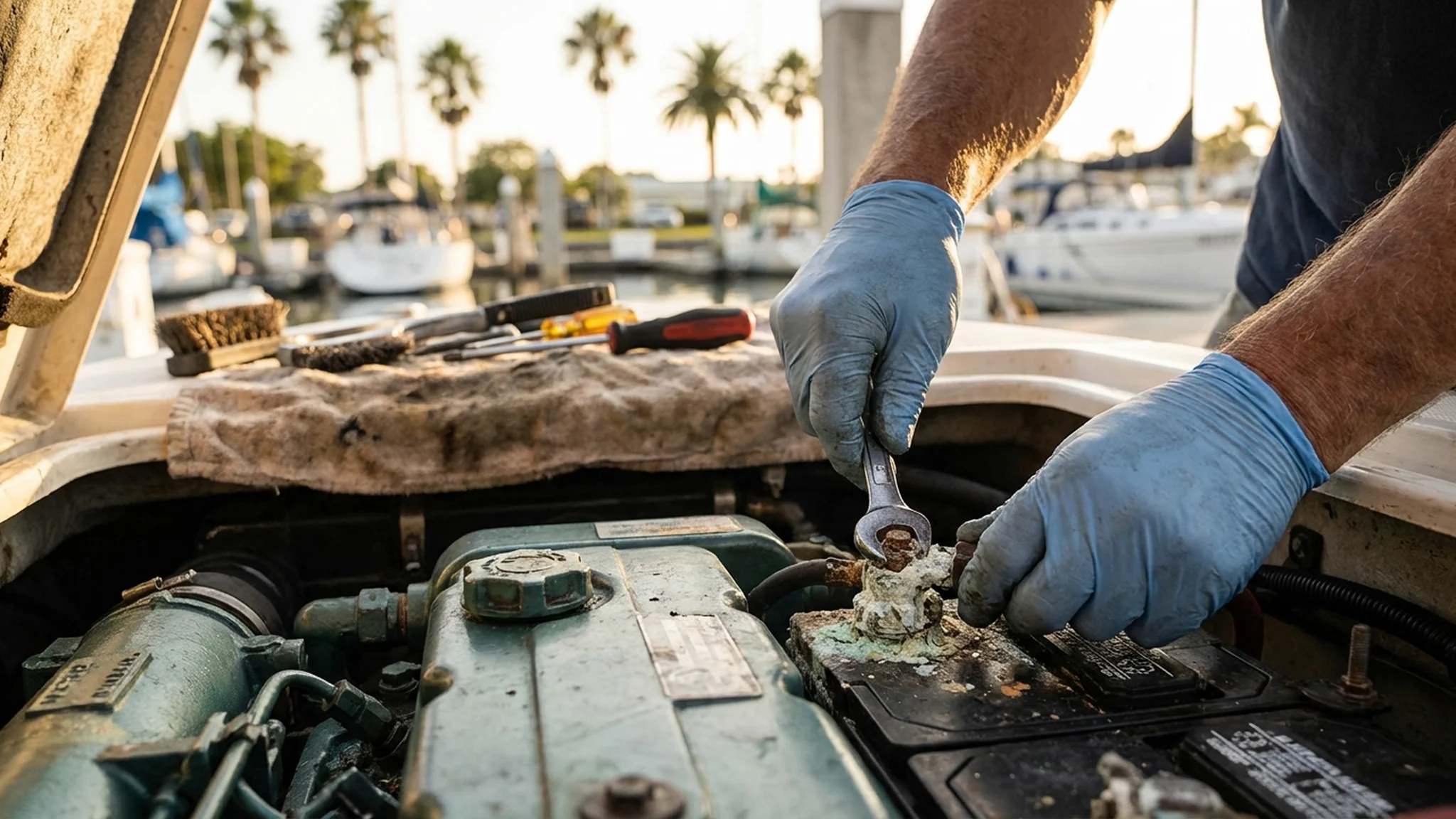
This is the single most common cause of starting problems I see, especially on boats that sit at the dock between outings. The combination of salt air, humidity, and battery off-gassing creates a perfect environment for corrosion.
Look at your battery terminals. If you see white, green, or blue crusty buildup, that's your problem. The corrosion creates resistance that prevents adequate current from reaching your starter.
The fix: Clean terminals with a wire brush and baking soda solution. Apply a thin coat of dielectric grease or terminal protectant. Check connections monthly during boating season.
2. Dead or Weak Batteries
Marine batteries live hard lives. They're subject to extreme heat, vibration, and the corrosive salt environment. A battery that tests fine in October might be dead by April if the boat sat all winter without a maintenance charger.
Deep cycle batteries also fail faster when they're repeatedly discharged below 50%. If you're running your stereo and lights at anchor without the engine running, you're shortening your battery's lifespan significantly.
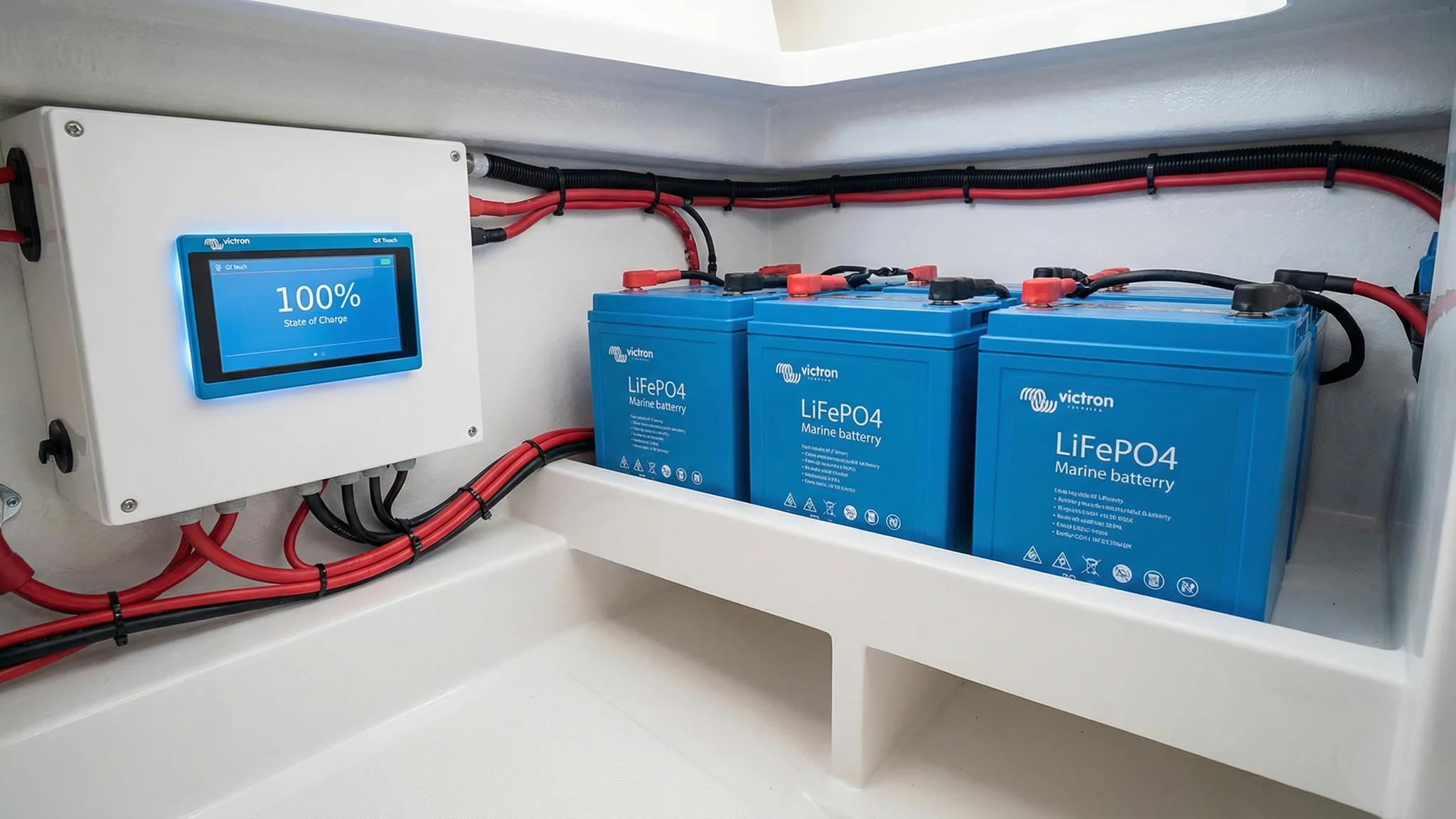
The fix: Use a quality battery maintainer when the boat is docked. Test batteries at the start of each season with a load tester, not just a voltage check. Replace batteries every 3-5 years proactively.
3. Loose or Corroded Ground Connections
Every electrical circuit needs a complete path back to the battery negative. On boats, ground connections often terminate at the engine block, transom, or a common ground bus. These connections work loose from vibration or develop corrosion from moisture exposure.
A bad ground causes all sorts of strange symptoms. The engine might crank slowly on one attempt and not at all on the next. Accessories might work intermittently. You might even notice electrical components behaving erratically.
The fix: Trace your ground cables and clean every connection point. Look for green discoloration on copper and white oxidation on aluminum. Use star washers and apply corrosion inhibitor after reassembly.
4. Faulty Ignition Switch
Marine ignition switches operate in a harsh environment and eventually fail. The contacts inside wear out or corrode, preventing the switch from completing the circuit to the starter.
If you turn the key and hear absolutely nothing, the ignition switch is a likely suspect. You can test this by bypassing the switch temporarily to confirm the starter circuit works.
The fix: Replace with a quality marine-grade ignition switch. Cheap automotive switches won't hold up to the marine environment. This is a 30-minute repair that saves a lot of frustration.
5. Starter Motor Problems
Starters on marine engines work harder than their automotive counterparts. The damp environment promotes internal corrosion, and heat from the engine compartment accelerates wear on brushes and bearings.
Symptoms include slow or labored cranking, grinding noises, or the starter engaging intermittently. Sometimes you'll hear a single loud click but no cranking, which often indicates the starter solenoid has failed.
The fix: A quality rebuilt marine starter typically costs less than a new one and works just as well. Make sure any replacement is properly matched to your engine's flywheel.
6. Blown Fuses or Tripped Breakers
This seems obvious, but you'd be surprised how often a blown fuse turns a simple morning into a complete mystery. Many boats have fuses in unexpected locations, and not all circuits are clearly labeled.
If your engine cranks but won't start, check for blown fuses in the fuel pump, ignition, or ECM circuits. On electronic fuel injection systems, a single blown fuse can prevent starting.
The fix: Know where all your fuses and breakers are located before you have a problem. Keep spares of every amperage on board. Never replace a fuse with a higher amperage rating.
7. Kill Switch Issues
The safety lanyard kill switch (emergency cutoff) prevents engine operation when disconnected. These switches corrode internally and can fail in the "off" position even when the lanyard appears properly connected.
I've also seen boats where someone installed an aftermarket kill switch incorrectly, creating an intermittent open circuit in the ignition system.
The fix: Test the kill switch by checking continuity with a multimeter. Many boaters carry a spare switch clip on their keychain for exactly this situation.
8. Voltage Drop from Undersized Cables
Starter motors draw enormous current, often 200-400 amps or more. When battery cables are undersized, corroded, or too long, the voltage drop across the cable prevents the starter from receiving adequate power.
You'll notice this as slow cranking that improves temporarily after charging the batteries. The batteries are fine, but the cable can't carry enough current to the starter.
The fix: Check cable sizing against ABYC standards for your cable run length and starter current draw. Replace corroded or undersized cables with properly rated marine-grade wire.
9. Fuel System Electrical Problems
Modern fuel injected engines won't start if the fuel pump doesn't run. Electric fuel pumps, fuel injectors, and the engine computer all rely on clean, stable power.
A corroded connector at the fuel pump can cause intermittent starting problems that seem completely random. Low voltage at the ECM can prevent starting or cause the engine to stall shortly after firing.
The fix: Inspect all connections in the fuel system circuit. Listen for the fuel pump priming when you first turn the key to "on" before cranking. No priming sound usually means a fuel pump issue or electrical supply problem.
10. Alternator or Charging System Failure
Your alternator charges the batteries while the engine runs. When it fails, you're running solely on battery power. This might not affect starting immediately, but after a few trips without proper charging, your batteries will be too depleted to crank the engine.
Warning signs include the battery voltage gauge reading low while running, dimming lights at idle, or batteries that never seem fully charged despite running the engine.
The fix: Test alternator output with a multimeter at the battery terminals. You should see 13.8-14.4 volts with the engine running at cruise RPM. Lower readings indicate alternator problems.
Prevention Is the Best Fix
Most of these problems develop gradually and can be caught before they leave you stranded. A thorough electrical inspection at the start of each season is the best insurance against a no-start situation.
Here in the Florida Keys, the salt air and humidity accelerate corrosion faster than almost anywhere else. Boats that sit at the dock require more frequent attention than those in covered storage.
If your boat is giving you starting trouble, don't wait until it leaves you stranded at the fuel dock. A professional diagnosis now costs far less than an emergency service call on a Saturday morning.